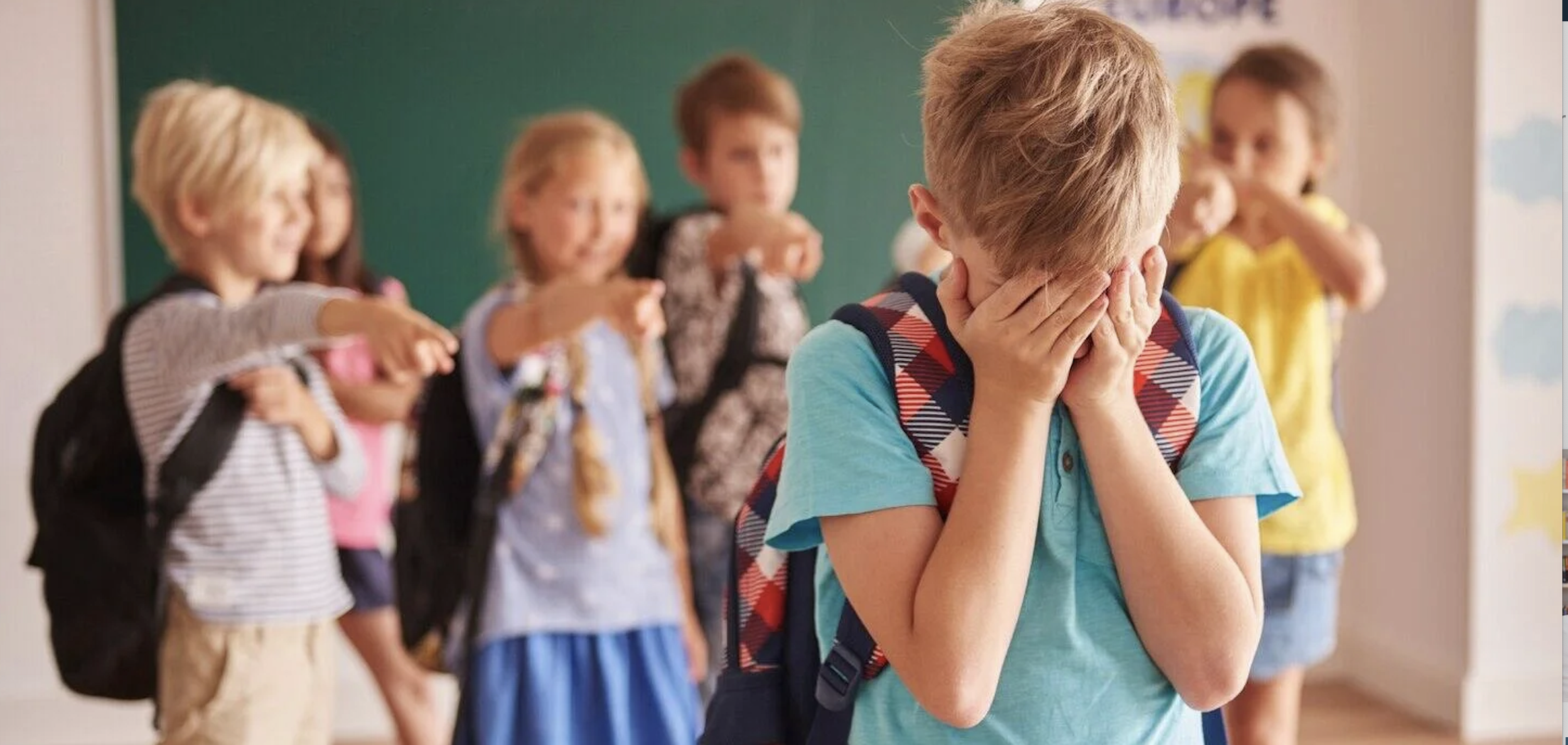
Peer bullying refers to repeated, intentional behaviors involving a power imbalance, where a child or adolescent is targeted by their peers. Although it most commonly occurs in school settings, the widespread use of digital communication has made cyberbullying an increasingly significant risk area.
Peer bullying can deeply affect a child’s emotional development, self-concept, and social relationships.
Types of Peer Bullying
Peer bullying can take various forms, each leading to different psychological consequences.
Physical Bullying
- Hitting, pushing, or kicking
- Damaging personal belongings
- Physical threats
Verbal Bullying
- Teasing or mocking
- Derogatory nicknames
- Insults and humiliating language
Social (Relational) Bullying
- Social exclusion
- Spreading rumors
- Deliberately damaging friendships
Cyberbullying
- Threats and insults on digital platforms
- Sharing humiliating or harmful content
- Unauthorized distribution of private information
Signs Observed in Children Exposed to Peer Bullying
Children who experience bullying may not always express their distress directly. The following signs should be carefully observed:
- Reluctance or refusal to attend school
- Increased anxiety and restlessness
- Social withdrawal or sudden anger outbursts
- Decreased self-confidence
- Sleep and appetite disturbances
- Decline in academic performance
These behaviors may reflect the child’s emotional distress.
Psychological Effects of Peer Bullying
Prolonged exposure to peer bullying can have lasting effects on the mental health of children and adolescents, including:
- Anxiety disorders
- Depressive symptoms
- Traumatic stress reactions
- Damage to self-esteem and self-image
- Mistrust in social relationships
Without appropriate intervention, these effects may persist into adulthood.
Key Considerations for Parents
- Listen to the child without minimizing their experiences
- Avoid dismissive responses such as “ignore it, it will pass”
- Collaborate with the school and teachers
- Help the child feel supported and not alone
- Seek professional psychological support when necessary
Early identification and intervention can significantly reduce the emotional burden on the child.
When Should Psychological Support Be Sought?
Consulting a child and adolescent mental health professional is recommended when:
- Bullying has been ongoing for an extended period
- The child’s daily functioning is noticeably affected
- Intense anxiety, withdrawal, or behavioral changes are observed
Conclusion
Peer bullying is a serious experience that can significantly impact a child’s psychological development. Early recognition and appropriate support play a crucial role in preventing long-term mental health consequences.