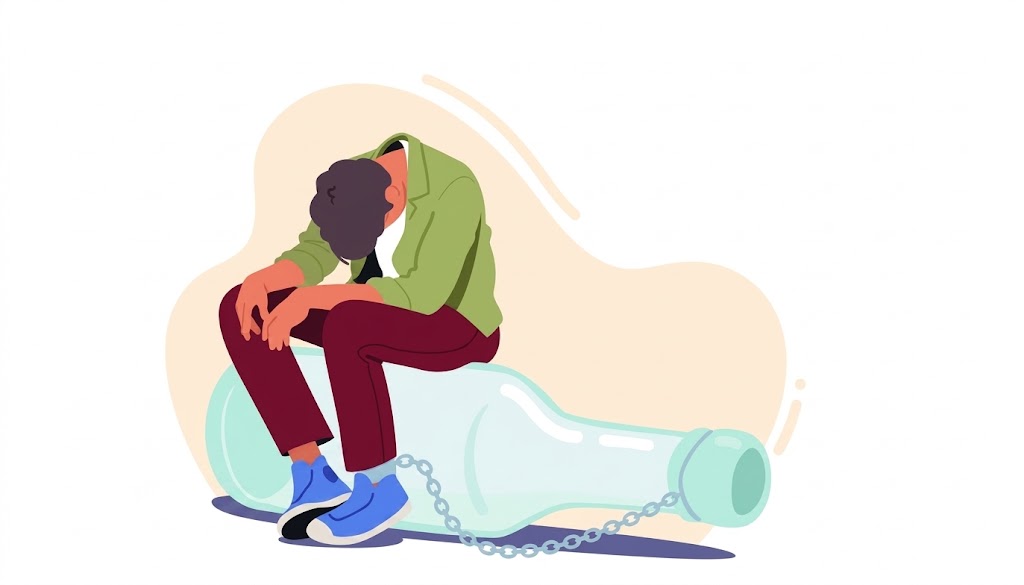
The Psychology of Addiction: Why Does Addiction Develop and How Can It Be Overcome?
Addiction is not simply a matter of lacking willpower. Research in psychology and neuroscience shows that addiction is a complex condition resulting from the interaction of biological, psychological, and social factors. Whether it involves substance use, alcohol, gambling, internet use, social media, or compulsive shopping, different forms of addiction share similar underlying psychological mechanisms.
What Is Addiction?
Addiction is a condition in which a person struggles to control the use of a substance or engagement in a particular behavior, despite experiencing negative consequences in various aspects of life.
Many people with addiction genuinely want to stop but find themselves returning to the same cycle repeatedly. This is not merely a habit; it reflects changes in the brain's reward system and emotional regulation processes.
How Does Addiction Develop?
Addiction rarely develops for a single reason. Instead, it typically emerges through the interaction of multiple psychological and environmental factors.
1. Escaping Emotional Pain
Many individuals experience significant stress, loneliness, loss, trauma, or emotional emptiness before developing an addiction.
A substance or addictive behavior may provide temporary relief. Over time, however, the person begins relying on it instead of developing healthier ways of coping with difficult emotions.
For this reason, addiction is often less about seeking pleasure and more about escaping emotional pain.
2. The Brain's Reward System
Addictive substances and behaviors stimulate the brain's reward system by increasing dopamine release.
This can temporarily create feelings of:
Pleasure
Relief
Increased energy
Confidence or emotional comfort
Over time, however, the brain adapts to this stimulation. As tolerance develops, the individual requires increasing amounts of the substance or more frequent engagement in the behavior to achieve the same effect.
Psychological Signs of Addiction
Addiction is not limited to physical symptoms. In many cases, psychological signs are even more prominent.
Common signs include:
Persistent cravings
Loss of control
Feelings of guilt
Secretive behavior
Repeated thoughts such as "just one last time"
Unsuccessful attempts to quit
Organizing daily life around the addictive behavior
Difficulties at work, school, or in relationships
The Cycle of Addiction
From a psychological perspective, addiction often follows this pattern:
A distressing emotion or trigger arises.
The individual turns to the addictive behavior for relief.
Temporary relief is experienced.
Feelings of guilt, shame, or regret emerge.
These difficult emotions trigger the addictive behavior once again.
Over time, this cycle becomes increasingly automatic.
Who Is at Greater Risk?
Although every individual's experience is unique, certain factors may increase the likelihood of developing an addiction:
Childhood trauma
Emotional neglect
Anxiety disorders
Depression
Low self-esteem
Chronic stress
A family history of addiction
Impulsivity
Having one or more of these risk factors does not necessarily mean a person will develop an addiction, but they may increase vulnerability.
The Role of Psychotherapy in Addiction
Effective treatment involves much more than simply stopping the substance or behavior.
Psychotherapy aims to help individuals:
Understand the emotional factors driving the addiction
Develop healthier coping strategies for stress
Process traumatic experiences
Improve emotional regulation skills
Reduce the risk of relapse
Build healthier relationships
Depending on the individual's needs, evidence-based approaches such as Cognitive Behavioral Therapy (CBT), psychodynamic psychotherapy, Motivational Interviewing, EMDR, and other therapeutic methods may be recommended.
Can Addiction Be Treated?
Yes. Addiction is a treatable condition, and recovery is possible with appropriate professional support. Recovery is not simply about stopping the addictive behavior; it also involves developing greater self-awareness, understanding one's emotional needs, and learning healthier ways of coping.
Setbacks may occur during the recovery process, but they should not be viewed as failure. Rather, they provide opportunities to better understand personal triggers and strengthen long-term recovery.
Conclusion
Addiction is not a reflection of a person's character or willpower. It is often a response to underlying emotional needs, unresolved psychological difficulties, or chronic stress.
If addiction is negatively affecting your daily life, relationships, or emotional well-being, seeking professional support can be an important step toward recovery. Psychotherapy helps individuals understand the underlying causes of addiction, develop healthier coping strategies, and create lasting psychological change.
SEO Keywords
psychology of addiction, addiction psychology, what is addiction, signs of addiction, addiction treatment, psychological addiction, substance addiction, alcohol addiction, gambling addiction, internet addiction, social media addiction, shopping addiction, addiction therapy, addiction psychologist, causes of addiction, dopamine and addiction, psychotherapy, mental health, coping with addiction, behavioral addiction, addiction cycle, psychologist, online therapy.