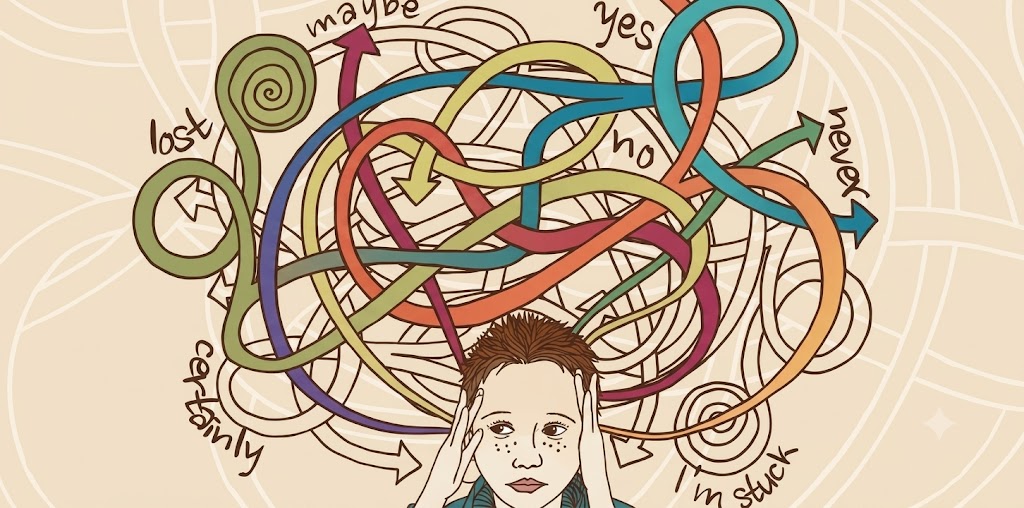
You may have heard people say, "I'm so OCD" or "I'm obsessed with cleanliness." However, Obsessive-Compulsive Disorder (OCD) is much more than simply being organized or liking things to be tidy. OCD is a mental health condition characterized by persistent, unwanted thoughts (obsessions) and repetitive behaviors or mental rituals (compulsions) performed to reduce the anxiety caused by those thoughts. These symptoms can interfere significantly with daily life, work, school, and relationships.
Common symptoms of OCD include:
- Repeated handwashing or excessive cleaning due to fear of contamination,
- Checking doors, locks, appliances, or switches repeatedly,
- A strong need for order, symmetry, or things to be "just right,"
- Repeating words, prayers, or counting silently,
- Intrusive thoughts about harming oneself or others, despite having no intention of doing so,
- Frequently seeking reassurance from others,
- Spending excessive time performing rituals that interfere with daily activities,
- Persistent anxiety, distress, or a feeling of losing control.
Treatment for OCD
Everyone experiences unwanted thoughts from time to time, and many people have personal habits or routines. However, when intrusive thoughts and repetitive behaviors become difficult to control and begin affecting your quality of life, seeking professional support is important.
OCD is a highly treatable condition. During therapy, the underlying patterns that maintain obsessive thoughts and compulsive behaviors are explored, helping individuals develop healthier ways of responding to anxiety. Evidence-based psychological treatments, particularly Cognitive Behavioral Therapy (CBT) and Exposure and Response Prevention (ERP), are considered the most effective approaches for treating OCD. In some cases, medication prescribed by a psychiatrist may also be recommended as part of the treatment plan.
Remember, you do not have to face OCD alone. With the right support, it is possible to reduce symptoms, regain control over your daily life, and improve your overall well-being. If obsessive thoughts or compulsive behaviors are interfering with your life, seeking professional help is an important first step toward recovery. At Face to Face Therapia, we are here to support you throughout that journey.
Powered by Froala Editor