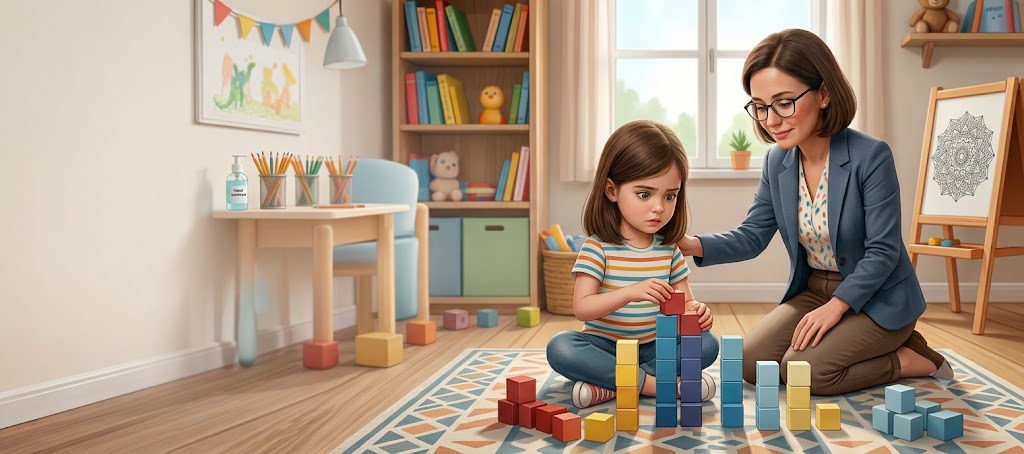
Why Is Early Diagnosis of OCD in Children Important?
Childhood is a critical period for emotional, cognitive, and social development. Mental health conditions that emerge during these years can significantly influence a child's quality of life if left untreated. Obsessive-Compulsive Disorder (OCD) is one of the most common anxiety-related disorders in children, yet its symptoms are often mistaken for personality traits such as perfectionism, stubbornness, or excessive neatness.
Research indicates that OCD frequently begins during childhood or adolescence. Unfortunately, many families do not recognize the symptoms until they begin interfering with daily life. Early diagnosis allows children to receive timely support, improving both short-term functioning and long-term well-being.
What Is OCD in Children?
Obsessive-Compulsive Disorder is characterized by unwanted, intrusive thoughts (obsessions) that create anxiety and repetitive behaviors or mental rituals (compulsions) performed to reduce that distress.
Children may not fully understand why these thoughts occur or may struggle to explain them. As a result, OCD symptoms can remain hidden for months or even years.
Common Symptoms of OCD in Children
Although symptoms vary from child to child, common signs include:
Excessive Washing and Cleaning
Children may wash their hands repeatedly, fear contamination, or avoid touching objects they believe are dirty.
Repeated Checking
They may repeatedly check homework, school bags, locks, or personal belongings because they fear something terrible will happen if they don't.
Need for Symmetry and Order
Children with OCD often become distressed if objects are not arranged "perfectly." They may spend significant amounts of time organizing toys, books, or school supplies.
Repetitive Rituals
Examples include counting, repeating words silently, touching objects a certain number of times, or performing routines in an exact order.
Constant Reassurance Seeking
Children may repeatedly ask questions such as:
- "Are you sure everything is okay?"
- "Did I do something wrong?"
- "I'm not a bad person, am I?"
These questions may occur dozens of times each day.
How Can Parents Tell the Difference Between OCD and Normal Childhood Behaviors?
Many children enjoy routines, collect objects, or prefer specific bedtime rituals. These behaviors are usually developmentally appropriate.
However, professional evaluation should be considered when behaviors:
- Consume more than an hour each day,
- Cause significant distress,
- Interfere with school performance,
- Affect friendships,
- Trigger panic, anger, or severe anxiety when interrupted.
The key distinction is whether the behaviors significantly impair daily functioning.
Why Does Early Diagnosis Matter?
Without treatment, OCD symptoms often become more severe and more time-consuming. Children may begin avoiding school, withdrawing socially, or experiencing declining academic performance.
Early intervention can:
- Prevent symptoms from becoming chronic.
- Reduce anxiety levels.
- Improve emotional regulation.
- Strengthen family relationships.
- Increase treatment effectiveness.
The earlier OCD is recognized, the better the opportunity to support healthy emotional development.
When Should Parents Seek Professional Help?
Parents should consider consulting a child psychologist or child psychiatrist if:
- Rituals take more than one hour daily.
- Anxiety becomes overwhelming when rituals are interrupted.
- Reassurance seeking becomes constant.
- School attendance or academic performance declines.
- Sleep is disrupted.
- Family routines become dominated by compulsive behaviors.
Professional assessment helps determine whether symptoms represent OCD or another developmental or psychological concern.
How Is OCD in Children Treated?
Treatment depends on the child's age, symptom severity, and individual needs.
Common evidence-based approaches include:
Cognitive Behavioral Therapy (CBT): Particularly Exposure and Response Prevention (ERP), which is considered the gold-standard psychological treatment for pediatric OCD.
Parent Training: Helping parents understand OCD and reduce behaviors that unintentionally reinforce compulsions is an essential part of treatment.
Medication: In moderate to severe cases, a child psychiatrist may recommend medication alongside psychotherapy.
Successful treatment often involves collaboration between the child, family, therapist, and school when appropriate.
Conclusion
Obsessive-Compulsive Disorder in children is highly treatable, especially when recognized early. Persistent rituals, intrusive worries, and excessive reassurance seeking should not be dismissed as "just a phase."
Early assessment and evidence-based treatment can help children regain confidence, improve emotional well-being, and participate more fully in school, family life, and friendships. If you notice ongoing OCD symptoms in your child, seeking professional support early can make a meaningful difference in their long-term development.