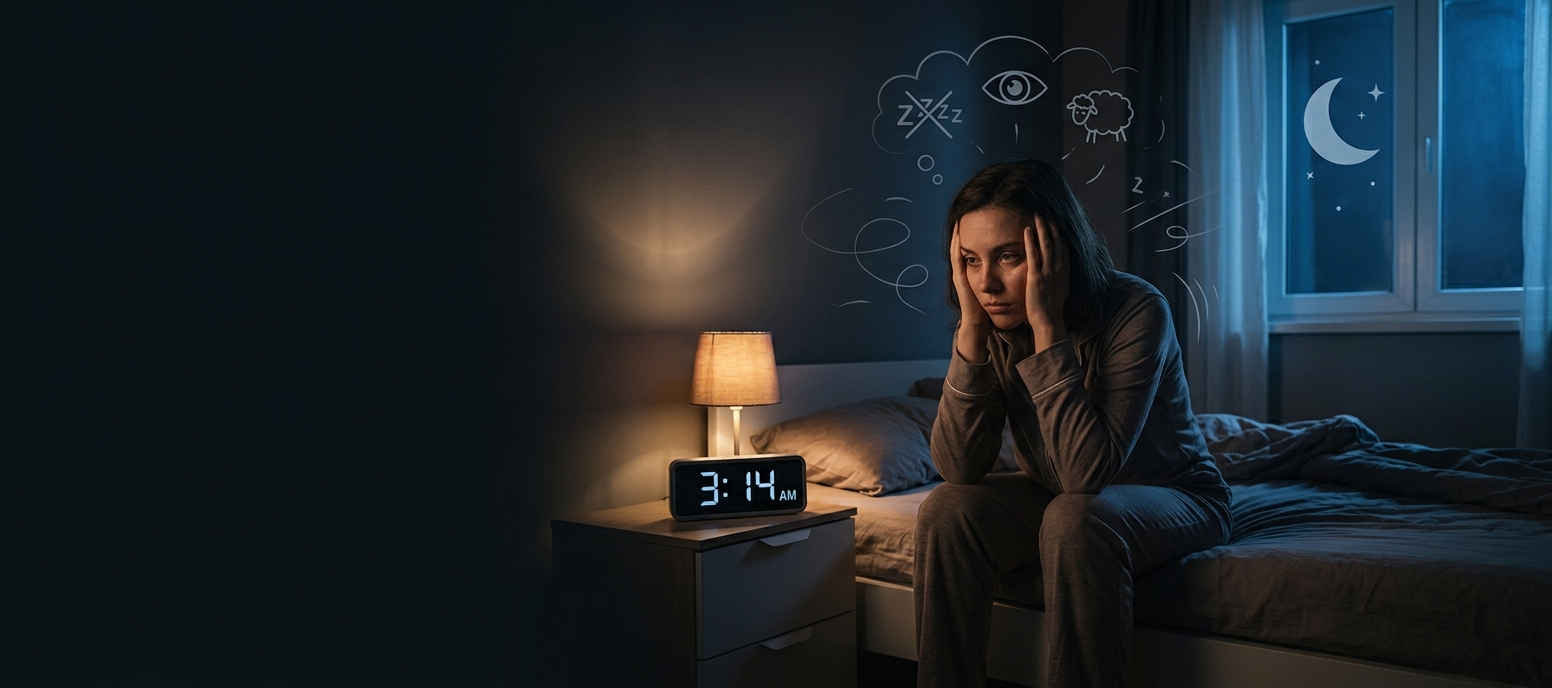
Masked depression is a term sometimes used to describe situations in which depressive symptoms are not primarily expressed as obvious sadness or low mood. Instead, a person may experience physical complaints, persistent fatigue, sleep problems, irritability, restlessness, or changes in everyday functioning.
Someone experiencing masked depression may appear to function normally from the outside. They may continue working, socialising, maintaining relationships, and fulfilling daily responsibilities while internally experiencing emotional exhaustion, emptiness, loss of motivation, or a reduced ability to enjoy life.
It is important to note that “masked depression” is not a separate diagnosis in current psychiatric diagnostic classifications. However, the term can be useful for describing the fact that depression does not always present as visible sadness and may sometimes appear through physical, behavioural, or less obvious emotional symptoms.
What Are the Symptoms of Masked Depression?
Depression can present differently from one person to another. While some people are clearly aware of feeling depressed, others may initially notice physical symptoms, changes in behaviour, or a general sense that something is wrong.
Possible signs associated with masked depression may include:
Persistent fatigue and low energy
Difficulty falling or staying asleep, or sleeping excessively
Headaches, muscle pain, or unexplained physical discomfort
Digestive problems
Changes in appetite or weight
Reduced interest in previously enjoyable activities
Difficulty concentrating or making decisions
Restlessness or increased irritability
Increased anger or frustration
Social withdrawal
Reduced performance at work or school
A constant need to remain busy
Feelings of emptiness or lack of meaning
Experiencing some of these symptoms does not necessarily mean that a person has depression. Physical symptoms can have many different causes, which is why appropriate medical assessment may also be necessary.
Does Depression Always Look Like Sadness?
When people think about depression, they often imagine persistent sadness, crying, or an obvious inability to function. However, depression can look very different.
Some individuals may not describe themselves as “sad” at all. Instead, they may feel constantly tired, emotionally disconnected, irritable, unmotivated, or empty. Others may primarily experience physical pain, sleep disturbances, or a loss of energy.
A person may also continue meeting professional, social, and family responsibilities despite experiencing significant psychological distress. This can make depression more difficult for both the individual and those around them to recognise.
For this reason, assessing depression involves more than asking whether someone feels sad. Changes in pleasure, motivation, energy, sleep, appetite, concentration, thoughts, and everyday functioning are also important.
Masked Depression and Physical Symptoms
Depression does not affect only thoughts and emotions. Psychological distress can also influence a person's physical experience.
Persistent tiredness, headaches, back or muscle pain, digestive problems, muscle tension, and sleep difficulties can sometimes accompany depression. In some cases, physical complaints may be the main reason a person initially seeks professional help.
However, physical symptoms should not automatically be attributed to psychological causes. New, persistent, or worsening physical symptoms should be appropriately evaluated to rule out possible medical conditions.
What Causes Masked Depression?
There is no single cause of depression. Biological vulnerability, stressful life events, relationships, loss, trauma, personality factors, and psychological conflicts may all contribute to depressive experiences in different ways.
For some people, recognising and expressing difficult emotions may be particularly challenging. Someone who grew up in an environment where vulnerability was discouraged or where they felt expected to remain strong may find it difficult to recognise sadness, disappointment, anger, or emotional pain.
In other cases, a person may cope with difficult emotions by becoming extremely busy, focusing heavily on work, or constantly seeking activities and responsibilities. An outwardly productive and successful life can sometimes coexist with significant emotional exhaustion and depressive symptoms.
Masked Depression vs. High-Functioning Depression
The terms “masked depression” and “high-functioning depression” are sometimes used interchangeably in everyday language, but neither is a formal psychiatric diagnosis.
High-functioning depression generally describes a situation in which someone experiences depressive symptoms while continuing to manage work, education, relationships, and everyday responsibilities.
Masked depression places greater emphasis on the depressive process being difficult to recognise because emotional distress may appear through physical symptoms, behavioural changes, irritability, or other less obvious signs.
In either case, appearing functional on the outside does not necessarily reflect how someone feels internally.
How Is Masked Depression Recognised?
Masked depression can be difficult to identify because symptoms may initially be attributed to stress, a demanding lifestyle, lack of sleep, work pressure, or physical health problems.
Persistent changes in energy, motivation, enjoyment, sleep, appetite, relationships, or general functioning may indicate that a professional mental health assessment would be helpful.
Depression should not be self-diagnosed based solely on an online questionnaire or a list of symptoms. A comprehensive assessment can help determine the nature of the symptoms and whether they may be associated with depression or another condition.
Masked Depression and Psychotherapy
Psychotherapy can help individuals explore the emotional experiences, relationship patterns, and life circumstances that may be connected with depressive symptoms.
Psychodynamic and psychoanalytic psychotherapy may focus not only on visible symptoms but also on what those symptoms may represent within the person's psychological life. Difficult-to-express emotions, experiences of loss, recurring relationship patterns, internal conflicts, and expectations placed on oneself can be explored within the therapeutic process.
Depending on the severity and nature of the symptoms, psychiatric assessment and medication may also be appropriate. Treatment should be individually planned according to each person's needs.
When Should You Seek Help for Masked Depression?
Professional support may be beneficial when persistent fatigue, loss of motivation, reduced enjoyment of life, sleep or appetite changes, unexplained physical complaints, or feelings of emptiness continue over time and begin to affect everyday life.
If depression is accompanied by severe hopelessness, thoughts of self-harm, or suicidal thoughts, prompt professional assessment is particularly important.
Psychological Support for Masked Depression
Depression does not look the same in everyone. Sometimes other people may not recognise that someone is struggling, and the individual may not immediately realise that their physical or emotional experiences could be connected with depression.
At Face to Face Therapia, psychotherapy is individually planned according to each client's personal history, needs, and psychological difficulties. If you have been experiencing persistent fatigue, lack of motivation, emotional emptiness, or a reduced ability to enjoy life, seeking psychological support may help you better understand the experiences underlying these symptoms.