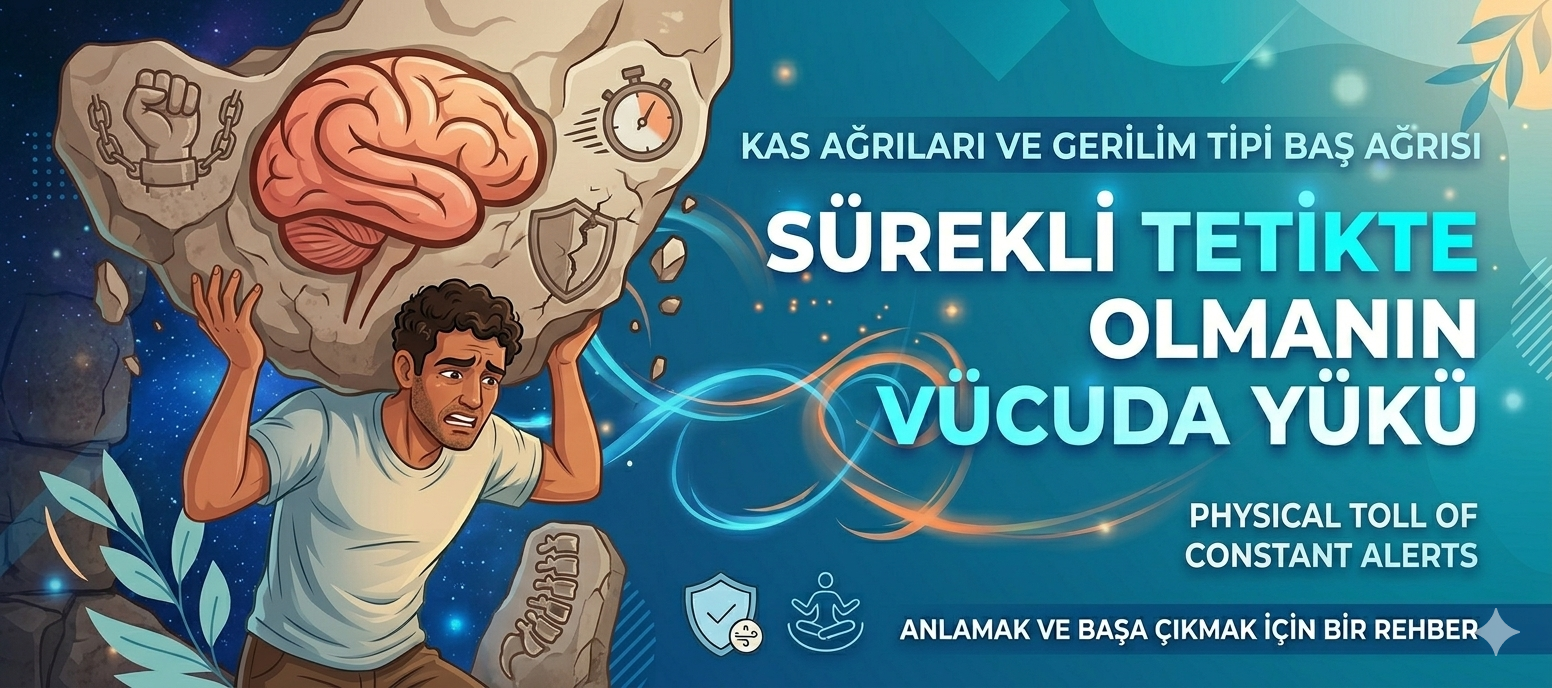
What Is Burnout? Symptoms, Causes, and Psychotherapy
A demanding workload, constant responsibilities, performance pressure, and insufficient time to rest can leave anyone feeling tired from time to time. However, sometimes this exhaustion does not disappear after rest. A person may begin to feel physically and emotionally drained, lose motivation for work, and struggle to manage everyday responsibilities. These experiences may be associated with burnout.
Burnout is more than ordinary tiredness. It can develop as a result of prolonged and poorly managed work-related stress, gradually affecting a person’s energy, motivation, and ability to function effectively.
What Is Burnout?
Burnout can be described as a state of emotional and mental exhaustion associated with prolonged work-related stress. The World Health Organization (WHO) describes burnout as an occupational phenomenon rather than a medical condition, resulting from chronic workplace stress that has not been successfully managed.
Burnout does not necessarily occur simply because someone “works too much.” Constantly facing high expectations, having little control over one’s work, feeling insufficiently rewarded or recognised, poor work-life balance, and prolonged emotional pressure can all contribute to burnout.
What Are the Symptoms of Burnout?
Burnout symptoms can vary from person to person. One of the most common experiences is a persistent sense of physical and mental exhaustion, even after resting.
Starting the working day may become increasingly difficult, and tasks that once felt manageable can begin to require significant effort. Motivation may decrease, and the person may gradually feel emotionally detached from their work.
Common signs of burnout may include:
Persistent tiredness and lack of energy
Reduced motivation at work
Difficulty concentrating or making decisions
Feeling increasingly negative or detached from work
Reduced productivity and performance
Irritability and reduced patience
Changes in sleep patterns
Withdrawal from social relationships
Difficulty finding motivation for everyday responsibilities
Feelings of inadequacy or failure
Some of these symptoms can also occur in conditions such as depression and anxiety. For this reason, persistent symptoms may benefit from professional assessment.
What Causes Burnout?
Burnout usually develops through a combination of factors rather than a single cause.
Heavy workloads and long working hours can contribute, but the way a person experiences their working environment is equally important.
Unrealistic expectations, constant performance targets, job insecurity, unclear responsibilities, workplace conflicts, lack of support, and feeling unable to influence decisions at work may all increase the risk of burnout.
Individual patterns can also play a role. Perfectionism, a strong sense of responsibility, difficulty saying no, and consistently prioritising other people’s needs may lead someone to ignore their own limits for prolonged periods.
What Is the Difference Between Stress and Burnout?
Stress and burnout are closely related, but they are not the same.
When experiencing stress, a person may feel overwhelmed, pressured, and constantly activated. They may feel that there are too many responsibilities and continue trying to manage everything at once.
With burnout, this prolonged state of stress may gradually develop into exhaustion, loss of motivation, and emotional detachment. Rather than simply feeling busy or overwhelmed, the person may begin to feel that they no longer have the energy to continue.
In simple terms, stress may feel like “There is too much for me to handle,” while burnout can feel more like “I have nothing left to give.”
Are Burnout and Depression the Same?
Burnout and depression can share certain symptoms, including low energy, reduced motivation, sleep difficulties, problems with concentration, and social withdrawal.
However, burnout is specifically associated with occupational stress and the work environment, whereas depression can affect many different areas of a person’s life.
At the same time, prolonged burnout can have a significant impact on overall psychological well-being. Persistent exhaustion and loss of motivation should therefore not automatically be dismissed as simply being “tired from work.”
Who Is at Risk of Burnout?
Burnout can occur in any profession. However, people working in roles involving high responsibility, emotional demands, constant interaction with others, or intense performance pressure may be particularly vulnerable.
Healthcare professionals, teachers, managers, caregivers, and people working in demanding corporate environments may experience increased levels of occupational stress.
People who consistently feel the need to be productive, set extremely high standards for themselves, or struggle to establish boundaries may also be more vulnerable to chronic stress and burnout.
How Can Burnout Affect Everyday Life?
Burnout may not remain limited to working hours. Some people find it difficult to mentally disconnect from work even after the working day has ended. Others may feel so exhausted that they no longer have energy for anything outside work.
Meeting friends, exercising, spending time with family, or participating in previously enjoyable activities may begin to feel demanding.
Over time, burnout that initially develops in the workplace can begin to affect relationships, sleep, emotional well-being, and overall quality of life.
How Can You Cope With Burnout?
A few days of rest may not always be enough to address burnout. If the working conditions and behavioural patterns that contributed to the exhaustion remain unchanged, the same difficulties may return.
Establishing clearer boundaries between work and personal life, developing more realistic expectations, making regular time for rest, and recognising personal limits can be important parts of recovery.
It may also be useful to recognise thoughts such as “I have to get everything done,” “I cannot say no,” or “I always have to perform at my best.” These beliefs can contribute to repeatedly exceeding personal limits.
Understanding and changing these patterns can play an important role in developing a more sustainable relationship with work.
Burnout and Psychotherapy
Psychotherapy can explore not only the symptoms of burnout but also why a person may repeatedly feel compelled to push beyond their own limits.
During therapy, factors such as sources of stress, working patterns, perfectionistic expectations, difficulty establishing boundaries, and excessive responsibility can be explored.
Psychotherapy may also support individuals in developing healthier coping strategies, recognising their own needs, and creating more sustainable boundaries between professional and personal life.
The goal is not simply to help someone become productive again. It is to understand the patterns contributing to burnout and support the development of a healthier and more sustainable balance in everyday life.
When Should You Seek Support for Burnout?
Psychological support may be worth considering when exhaustion, lack of motivation, and emotional detachment persist over time, when rest no longer seems sufficient, or when work-related stress begins to significantly affect relationships, sleep, or everyday functioning.
If thoughts such as “I have no energy left,” “I don’t want to go to work,” or “Things I used to manage now feel overwhelming” have become a regular part of everyday life, exploring the underlying causes may be beneficial.
At Face to Face Therapia, you can contact us for further information about psychotherapy support for burnout, work-related stress, anxiety, and associated psychological difficulties.