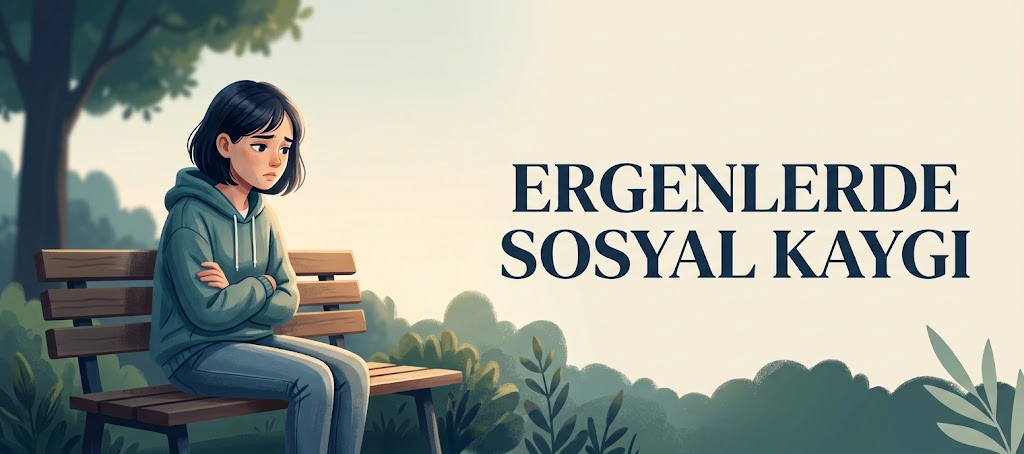
Wanting to spend time alone, take a break from social interaction, or create personal space is a natural part of life. After a demanding day or an emotionally intense period, solitude can provide an opportunity to rest and recharge. However, when the desire to avoid people becomes persistent, social relationships gradually decrease, and a person begins withdrawing from activities they previously enjoyed, it may be helpful to consider the psychological factors behind this pattern.
Social withdrawal is not a psychological disorder or diagnosis in itself. Instead, it is a behavioural pattern that may be associated with different psychological experiences, including depression, social anxiety, low self-esteem, emotional exhaustion, traumatic experiences, or difficulties in interpersonal relationships.
Understanding why someone wants to distance themselves from others can therefore be more important than focusing solely on the withdrawal itself.
What Is Social Withdrawal?
Social withdrawal refers to a noticeable reduction in a person’s social interactions and relationships. Someone experiencing social withdrawal may stop meeting friends, repeatedly decline invitations, delay responding to messages, or avoid situations involving other people.
For some individuals, social interaction may simply feel exhausting. Others may fear criticism, rejection, embarrassment, or being misunderstood. In some cases, withdrawing from people can become a way of protecting oneself from difficult emotions or potentially painful interpersonal experiences.
An important distinction is whether solitude is a genuine preference or whether the person is avoiding relationships because of fear, anxiety, emotional distress, or insecurity.
Why Do I Want to Avoid People?
There is no single psychological explanation for wanting to avoid others. A person’s past experiences, current relationships, emotional state, personality, and life circumstances can all influence social behaviour.
Depression and Social Withdrawal
During periods of depression, people may lose interest in activities and relationships they previously enjoyed. Meeting friends, having conversations, or attending social events can begin to feel emotionally and physically exhausting.
Low energy, reduced motivation, feelings of worthlessness, and loss of pleasure may gradually lead a person to withdraw from their social environment.
In these situations, isolation may not be a conscious preference but rather part of a broader emotional difficulty.
Social Anxiety and Avoiding People
People experiencing social anxiety may have an intense fear of being judged, criticised, embarrassed, or negatively evaluated by others.
Thoughts such as “What if I say something wrong?”, “What will they think of me?” or “What if I embarrass myself?” can make social situations extremely stressful.
Avoiding these situations may provide temporary relief from anxiety. However, repeated avoidance can reinforce fear over time and gradually make a person’s social world smaller.
Fear of Rejection and Criticism
Previous experiences of rejection, exclusion, bullying, humiliation, or persistent criticism can influence how safe a person feels in future relationships.
Someone who has repeatedly felt rejected may become more cautious about developing new connections. Keeping an emotional distance can then function as a protective strategy against being hurt again.
Although this strategy may provide a sense of safety in the short term, it can also make it more difficult to develop the close and meaningful relationships the person may actually desire.
Low Self-Esteem and Social Comparison
People who see themselves as inadequate, unsuccessful, unattractive, or less valuable than others may experience greater discomfort in social situations.
Social media can intensify this process by making it easy to compare everyday life with carefully selected and idealised versions of other people’s lives.
Over time, frequent comparison may contribute to thoughts such as “I’m not interesting enough,” “Nobody really wants to spend time with me,” or “Everyone else is doing better than I am.”
These beliefs may eventually encourage further social withdrawal.
Emotional Exhaustion and Social Fatigue
Wanting to be alone does not always indicate a psychological disorder. A demanding work schedule, caregiving responsibilities, prolonged stress, relationship difficulties, or constant social interaction can leave a person emotionally exhausted.
During these periods, spending time alone can be restorative and healthy.
However, if the desire to avoid others continues even after adequate rest, or if social contact increasingly feels overwhelming, exploring the emotional processes behind the withdrawal may be helpful.
Trauma, Trust Issues, and Social Withdrawal
Traumatic relationships, betrayal, abandonment, interpersonal violence, or other painful experiences can make trusting others more difficult.
A person may begin to experience emotional closeness as potentially dangerous and become more distant or guarded in relationships.
The belief that “If I let someone get close, I may get hurt again” can make it difficult to establish intimacy even when the person genuinely wants meaningful relationships.
In these cases, social withdrawal may be connected less to a preference for solitude and more to difficulties involving trust, vulnerability, and emotional closeness.
Is Introversion the Same as Social Withdrawal?
Introversion and social withdrawal are not the same thing.
Introverted individuals may naturally prefer smaller groups, quieter environments, or spending more time alone. They may enjoy solitude without experiencing significant distress about their social lives.
With social withdrawal, however, a person may want connection but struggle to pursue it because of anxiety, insecurity, low self-esteem, fear of rejection, or other psychological difficulties.
One important distinction is whether a person chooses solitude because it feels fulfilling or feels pushed toward isolation despite wanting connection.
When Does Social Withdrawal Become a Problem?
Periods of social withdrawal can occur naturally throughout life. However, professional psychological support may be worth considering when withdrawal continues for weeks or months, relationships begin to deteriorate, social situations are repeatedly avoided, or loneliness causes increasing emotional distress.
Another important sign is wanting to reconnect with people but feeling unable to do so because of fear, anxiety, lack of motivation, or distrust.
In these circumstances, understanding the underlying psychological processes may help the person develop a healthier relationship with both solitude and social connection.
Social Withdrawal and Psychotherapy
The aim of psychotherapy is not simply to make someone “more social.” Instead, therapy can provide an opportunity to explore the question: “Why does being around other people feel difficult for me?”
Social anxiety, fear of rejection, past relationship experiences, self-esteem, trust, attachment patterns, and the ways a person protects themselves within relationships can all be explored during psychotherapy.
Understanding when and why withdrawal occurs can help individuals recognise patterns that may once have served a protective purpose but now limit their ability to develop meaningful relationships.
Avoiding People Does Not Always Mean Wanting to Be Alone
Sometimes distancing yourself from others is not truly about wanting to be alone. It may be a way of avoiding rejection, criticism, disappointment, vulnerability, or emotional pain.
Understanding the emotions behind social withdrawal can help individuals reconsider how they relate to both themselves and others.
If the desire to avoid people is significantly affecting your relationships, daily life, or emotional well-being, psychotherapy may provide a supportive space to understand the underlying causes and develop healthier ways of relating to others.
At Face to Face Therapia, you can contact us for further information about psychotherapy for social withdrawal, social anxiety, loneliness, and interpersonal difficulties.