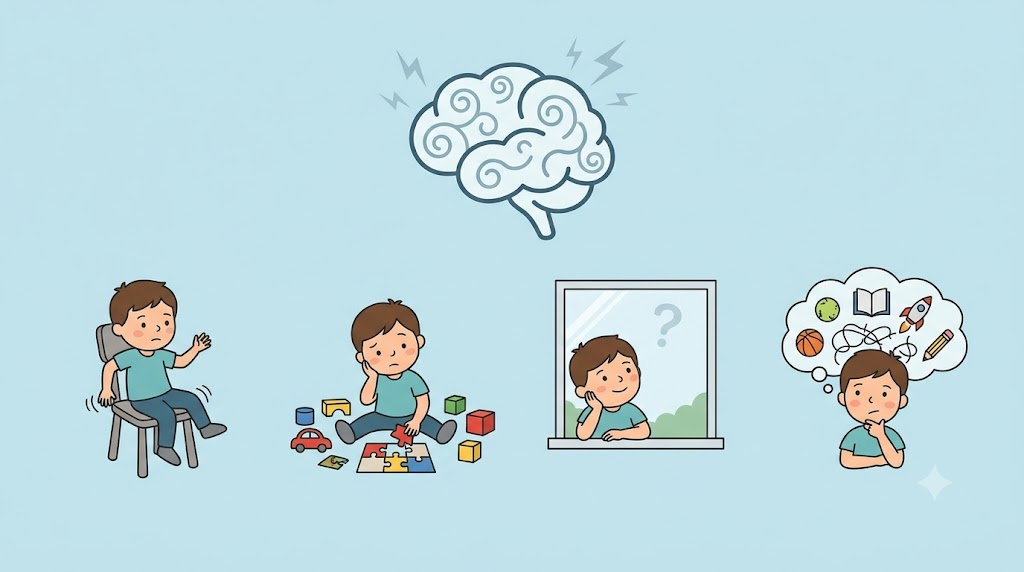
Attention-Deficit/Hyperactivity Disorder (ADHD) is one of the most common neurodevelopmental disorders in childhood. Characterized by difficulties with attention, impulsivity, and hyperactivity, ADHD can affect a child's academic performance, social relationships, and family life. While many children may occasionally be energetic or easily distracted, persistent symptoms that significantly interfere with daily functioning should be evaluated by a qualified mental health professional.
When identified early and supported appropriately, children with ADHD can build on their strengths, develop effective coping strategies, and improve their daily functioning.
What Is ADHD in Children?
ADHD is a neurodevelopmental condition in which symptoms of inattention, hyperactivity, and impulsivity are more pronounced than expected for a child's developmental stage. Symptoms typically begin before the age of 12 and are present across multiple settings, including home, school, and social environments.
ADHD is commonly classified into three presentations:
-
Predominantly Inattentive Presentation
-
Predominantly Hyperactive-Impulsive Presentation
-
Combined Presentation (both inattentive and hyperactive-impulsive symptoms)
Every child experiences ADHD differently. Therefore, assessment should always take the child's individual strengths, challenges, and developmental history into account.
Symptoms of ADHD in Children
Symptoms may vary depending on the child's age and developmental stage. Common signs include:
Symptoms of Inattention
-
Difficulty maintaining attention
-
Trouble completing homework or tasks
-
Becoming easily distracted
-
Frequently losing belongings
-
Difficulty following instructions
-
Forgetfulness in daily activities
-
Overlooking details
-
Problems with organization and time management
Symptoms of Hyperactivity and Impulsivity
-
Constant movement or restlessness
-
Difficulty remaining seated
-
Excessive talking
-
Difficulty waiting for their turn
-
Interrupting others during conversations or activities
-
Acting without thinking
-
Engaging in risky behaviors
-
Difficulty participating in quiet activities
These behaviors may occasionally occur in all children. However, if they are persistent, occur across different environments, and interfere with daily functioning, a professional evaluation is recommended.
What Causes ADHD?
There is no single known cause of ADHD. Research suggests that the condition results from a combination of biological and environmental factors.
Possible contributing factors include:
-
Genetic predisposition
-
Differences in brain regions involved in attention and impulse control
-
Premature birth or low birth weight
-
Certain prenatal and perinatal biological factors
-
Environmental stressors
ADHD is not caused by poor parenting, excessive screen time, or a child being "spoiled." However, environmental factors may influence the severity of symptoms.
How Is ADHD Diagnosed?
There is no single test that can diagnose ADHD.
A comprehensive evaluation typically includes:
-
The child's developmental history
-
Parent interviews and observations
-
Teacher reports
-
Clinical interviews
-
Psychological assessments and standardized rating scales when appropriate
An accurate diagnosis is essential for developing an effective support plan tailored to the child's needs.
How Can ADHD Affect a Child's Daily Life?
Without appropriate support, ADHD may affect many areas of a child's life, including:
-
Academic achievement
-
Peer relationships
-
Self-esteem
-
Family interactions
-
Following rules and routines
-
Emotional regulation
With early intervention and appropriate support, many children with ADHD make significant progress in these areas.
Treatment for ADHD in Children
Treatment for ADHD is individualized and based on each child's unique strengths and needs. The goal is not only to reduce symptoms but also to support the child's overall development and quality of life.
A treatment plan may include:
-
Child psychotherapy
-
Parent guidance and counseling
-
Behavioral interventions
-
Strategies to strengthen attention and self-regulation
-
Collaboration with the child's school
-
Assessment by a child and adolescent psychiatrist and, when appropriate, medication
The most effective outcomes are often achieved through a collaborative approach involving the child, family, school, and mental health professionals.
What Is Addressed During Therapy?
Therapy is tailored to the child's developmental stage, individual needs, and specific challenges.
During therapy, the focus may include:
-
Improving attention and concentration skills
-
Strengthening impulse control
-
Supporting emotional regulation
-
Developing planning and problem-solving abilities
-
Enhancing social skills
-
Building self-confidence
-
Providing parents with practical strategies for supporting their child at home
The goal is to help children function more effectively not only in therapy sessions but also at home, at school, and in their social lives.
When Should Parents Seek Professional Support?
It may be beneficial to consult a mental health professional if:
-
Your child's attention difficulties are affecting academic performance.
-
Teachers consistently report concerns about attention or behavior.
-
Hyperactivity or impulsivity interferes with daily functioning.
-
Your child struggles to maintain friendships.
-
You notice a significant decline in self-esteem.
-
Family life is frequently disrupted by conflicts related to behavior.
Early assessment and intervention can make a meaningful difference in a child's academic, emotional, and social development.
ADHD Support at Face to Face Therapia
At Face to Face Therapia, children presenting with symptoms of ADHD receive comprehensive psychological assessment and individualized support based on their developmental needs. Therapy focuses on strengthening attention, emotional regulation, self-control, and social skills while working collaboratively with families throughout the process.
When appropriate, we also recommend collaboration with child and adolescent psychiatrists and other healthcare professionals as part of a multidisciplinary approach. Our goal is to help every child reach their full potential while improving their confidence, independence, and overall well-being.