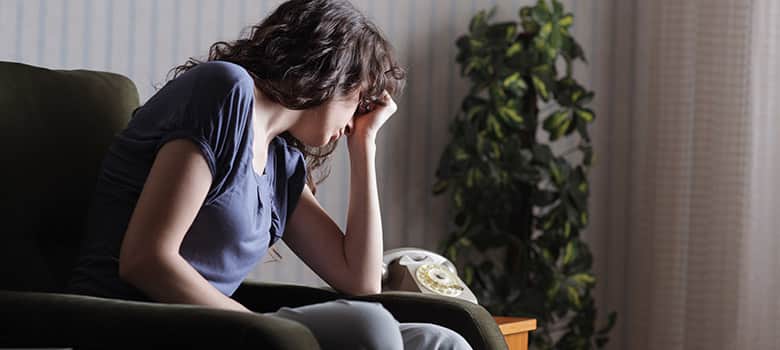
Anxiety, which is one of the most human experiences, can sometimes be experienced as an uncontrollable, never-ending, and debilitating emotion that hinders our daily lives and creates intense pressure.
Anxiety also manifests through physical symptoms at times, such as sweating, headaches, heart palpitations, numbness, shortness of breath, restlessness or tension, a feeling of being cornered or trapped, fatigue, difficulty concentrating or memory weakness, irritability, muscle tension, and sleep disturbances (such as difficulty falling asleep, staying asleep, or restless, inadequate sleep).
The intensity of this type of anxiety can present itself across a wide spectrum:
- Mild feelings of worry and restlessness
- Moderate levels of unease, overthinking, and distraction
- Severe feelings of despondency, debilitating fear, phobias, and panic attacks
The steps of the therapeutic process aimed at alleviating anxiety symptoms are as follows:
- Understanding biographical background, familial and social pressures, thought patterns, and emotional responses,
- Exploring the functional and meaningful aspects of the source of anxiety,
- Providing support to reduce the intensity of reactions and increase tolerance,
- Raising awareness, practicing meditation, and learning as well as applying techniques such as deep breathing exercises, progressive muscle relaxation, and imagery,
- Receiving support from medication in addition to therapy when necessary.
Anxiety can be exhausting and distressing; however, it is entirely possible to reduce or alleviate these symptoms with therapeutic support. If you are experiencing escalating anxiety, phobias, or panic attacks, you can apply to Face to Face Therapia.