Bipolar disorder is a mental health condition that can cause significant changes in a person's mood, energy levels, thought processes, and ability to function in everyday life. Previously referred to as “manic depression,” bipolar disorder is not simply about experiencing frequent changes between happiness and sadness. It is characterized by distinct periods of mania or hypomania and, in many cases, depressive episodes.
These mood episodes can affect relationships, work or academic life, sleep patterns, decision-making, and daily functioning. With appropriate assessment, treatment, and psychological support, however, many people with bipolar disorder can manage their symptoms and maintain fulfilling lives.
What Are the Symptoms of Bipolar Disorder?
The symptoms of bipolar disorder can vary considerably from one person to another. Some people experience relatively infrequent mood episodes, while others may experience them more often. Their severity and impact on everyday life can also differ.
During a manic episode, a person may feel unusually energetic, active, euphoric, or irritable. They may need significantly less sleep, talk much more or faster than usual, experience racing thoughts, become easily distracted, or develop unusually high levels of confidence. Mania can also involve impulsive spending, risky behaviour, poor judgement, or decisions made without fully considering their consequences. Importantly, mania does not always appear as happiness or excitement; intense irritability and agitation can also occur.
Hypomania involves similar symptoms but is generally less severe than full mania. Because a person may feel highly productive, sociable, or energetic during hypomania, they may not initially perceive it as a problem. Nevertheless, a noticeable change from the person's usual behaviour can be clinically significant.
During a depressive episode, symptoms may include persistent sadness or emptiness, low energy, loss of motivation, reduced interest in previously enjoyable activities, changes in sleep or appetite, difficulty concentrating, and feelings of worthlessness or guilt. Severe depressive episodes may also involve thoughts of death or suicide, which require urgent professional assessment.
What Is the Difference Between Bipolar I and Bipolar II?
There are several forms of bipolar disorder. Bipolar I disorder is defined by the occurrence of at least one manic episode. Depressive episodes are common in Bipolar I, although they are not required for the diagnosis.
Bipolar II disorder involves episodes of hypomania together with major depressive episodes. Because hypomania is less severe than full mania, Bipolar II is sometimes incorrectly considered a “milder” condition. In reality, depressive episodes associated with Bipolar II can significantly affect a person's quality of life and functioning.
Other conditions within the bipolar spectrum include cyclothymic disorder, which involves more persistent fluctuations between elevated and depressive symptoms that do not necessarily meet the full criteria for hypomanic or major depressive episodes.
A comprehensive mental health assessment is essential for distinguishing between these different presentations.
What Causes Bipolar Disorder?
There is no single cause of bipolar disorder. Current understanding suggests that a combination of genetic, biological, and environmental factors contributes to its development.
Having a family history of bipolar disorder may increase a person's likelihood of developing the condition, although genetic vulnerability does not mean that bipolar disorder will necessarily occur.
Significant stress, traumatic life experiences, severe disruptions to sleep, and substance use may contribute to the onset or recurrence of mood episodes in some individuals. Bipolar disorder therefore cannot be adequately explained by personality, willpower, or life circumstances alone.
How Is Bipolar Disorder Diagnosed?
A diagnosis of bipolar disorder cannot be made simply because someone occasionally feels highly energetic or depressed. Clinicians consider the duration and severity of symptoms, previous mood episodes, changes in sleep and behaviour, and the extent to which these experiences affect everyday functioning.
Bipolar depression can sometimes initially resemble unipolar depression. For this reason, it is particularly important to assess whether the individual has previously experienced periods involving unusually high energy, reduced need for sleep, increased confidence, racing thoughts, or impulsive behaviour.
A comprehensive clinical evaluation by a psychiatrist is important for an accurate diagnosis and appropriate treatment planning.
Treatment for Bipolar Disorder
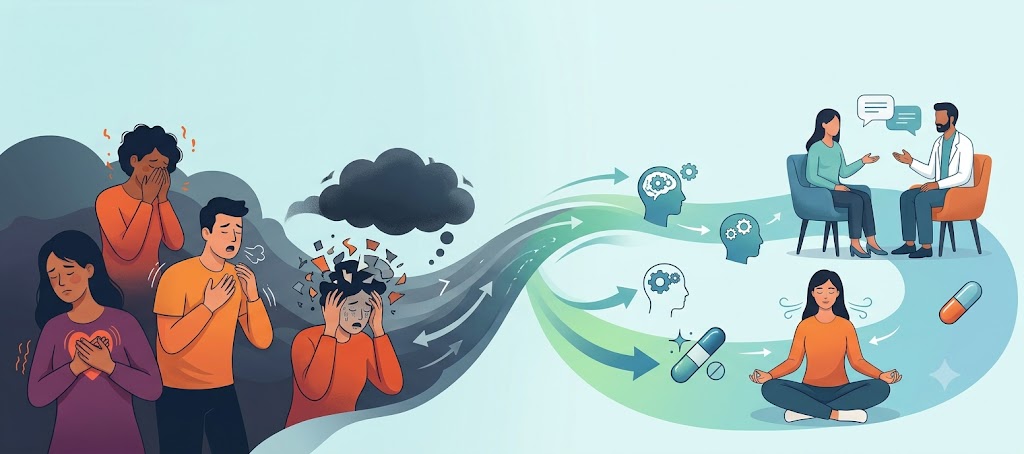
Treatment for bipolar disorder may involve several approaches depending on the individual's symptoms and needs. Psychiatric monitoring and medication can form an important part of treatment, particularly in managing manic episodes and severe depressive symptoms.
Psychotherapy can provide valuable support in the long-term management of bipolar disorder. Through therapy, individuals may develop a deeper understanding of emotional triggers and sources of stress, explore relationship difficulties, and work with the psychological impact that mood episodes have on their lives.
Maintaining regular sleep patterns and daily routines, managing stress, and learning to recognize early warning signs of mood episodes can also be important aspects of ongoing management.
When psychiatric treatment is indicated, psychotherapy should generally be understood as part of a comprehensive treatment approach rather than as a replacement for necessary medical care.
Living With Bipolar Disorder
Bipolar disorder does not define a person's identity. With appropriate diagnosis, ongoing professional support, and an individualized treatment plan, many people with bipolar disorder are able to maintain relationships, careers, and meaningful everyday lives.
Learning to recognize personal patterns and early warning signs can be particularly valuable. A sudden reduction in the need for sleep, an unusual increase in energy, racing thoughts, impulsive decisions, or the return of depressive symptoms may indicate that a mood episode is developing.
Recognizing these changes early and seeking professional support can play an important role in the long-term management of bipolar disorder.
Psychological Support for Bipolar Disorder
Bipolar disorder involves more than fluctuations in mood. It may also affect a person's relationships, sense of self, emotional experiences, and everyday life. Psychotherapy can provide a space to understand these experiences and explore the psychological impact of living with bipolar disorder.
At Face to Face Therapia, psychotherapy is individually planned according to each person's needs, experiences, and personal history. If you believe you may be experiencing symptoms of bipolar disorder, obtaining a psychiatric assessment first and then considering appropriate psychotherapy support can be an important step toward receiving comprehensive care.