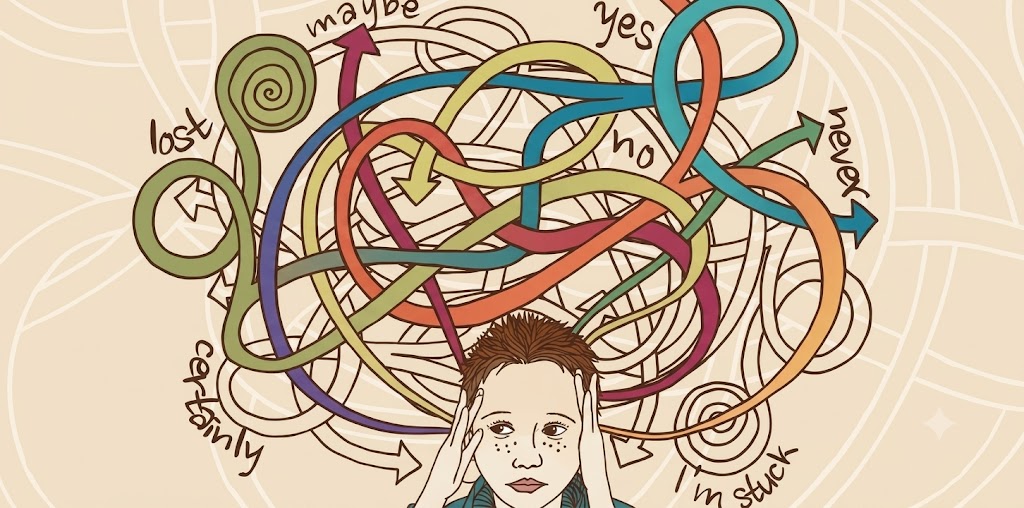
Borderline Personality Disorder (BPD) is a mental health condition that can affect the way a person regulates emotions, experiences their sense of self, and forms relationships with others. Intense and rapidly changing emotions, fear of abandonment, unstable relationships, impulsive behaviours, and changes in self-image are some of the characteristics that may be associated with borderline personality disorder.
BPD does not simply mean being “overly emotional” or occasionally experiencing difficulties in relationships. The symptoms generally form a long-term pattern and may significantly affect a person's relationships, work, social life, and overall psychological well-being.
What Are the Symptoms of Borderline Personality Disorder?
The symptoms of borderline personality disorder and their severity can vary considerably from one person to another. Not everyone with BPD experiences the condition in the same way.
One of the most commonly associated features is an intense sensitivity to abandonment or rejection. A person may experience significant anxiety when they believe that someone important to them is becoming distant. Sometimes seemingly small events, such as a delayed message, a change in plans, or emotional distance in a relationship, may trigger strong feelings of abandonment.
Interpersonal relationships may also be experienced very intensely. Someone may initially be perceived as extremely important, trustworthy, or ideal, while disappointment or perceived rejection may lead to intense anger or a sudden negative perception of that person. These shifts can contribute to patterns of intense closeness followed by withdrawal or conflict.
Other possible symptoms of borderline personality disorder include:
-
Intense fear of abandonment
-
Unstable or rapidly changing relationships
-
An unstable or changing sense of self
-
Difficulty managing intense anger
-
Rapid and intense emotional changes
-
Persistent feelings of emptiness
-
Impulsive or potentially self-damaging behaviours
-
Temporary suspicious thoughts or feelings of disconnection during periods of severe stress
-
Self-harming behaviours or suicidal thoughts
Experiencing some of these symptoms does not necessarily mean that a person has borderline personality disorder. A diagnosis requires a comprehensive assessment by a qualified mental health professional.
What Causes Borderline Personality Disorder?
There is no single cause of borderline personality disorder. Research suggests that a combination of genetic vulnerability, temperament, early relationships, environmental factors, and life experiences may contribute to its development.
Some individuals with BPD may have experienced neglect, trauma, loss, unstable family relationships, or environments in which their emotional needs were not adequately recognized during childhood or adolescence. However, it is important to emphasize that not everyone with borderline personality disorder has experienced childhood trauma.
Early relationships may influence the way a person develops expectations about themselves and others. Experiences involving trust, attachment, intimacy, separation, and abandonment may later emerge as important themes within adult relationships.
How Does Borderline Personality Disorder Affect Relationships?
Relationships can become a particularly sensitive area for people with borderline personality disorder. A person may experience a strong desire for emotional closeness while simultaneously feeling highly vulnerable to rejection, disappointment, or abandonment.
As a result, relationships may sometimes become very intense. The person may be particularly sensitive to changes in their partner's behaviour and experience difficulties with trust, jealousy, reassurance-seeking, or fears that the other person is going to leave.
The emotions experienced in these situations can feel extremely powerful and real. For this reason, describing BPD simply in terms of “attention-seeking,” “manipulation,” or “overreacting” is both inaccurate and potentially stigmatizing.
Psychotherapy can help individuals understand recurring relationship patterns and explore the needs, fears, conflicts, and emotional experiences underlying them.
Are Borderline Personality Disorder and Bipolar Disorder the Same?
Borderline personality disorder and bipolar disorder are sometimes confused because both may involve changes in mood and emotional intensity. However, they are different mental health conditions.
Bipolar disorder involves distinct mood episodes, such as mania, hypomania, and depression. In borderline personality disorder, emotional changes may occur more rapidly and are often closely connected with interpersonal experiences, perceived rejection, or stressful events.
Because symptoms can sometimes overlap, a professional clinical assessment is important for an accurate diagnosis.
Can Borderline Personality Disorder Be Treated?
Borderline personality disorder can be treated with psychotherapy, although therapy may involve a longer-term process depending on the individual's needs and difficulties.
Structured approaches such as Dialectical Behaviour Therapy (DBT) and Mentalization-Based Treatment (MBT) are among the psychotherapy approaches used for BPD. Other forms of psychotherapy may also be appropriate.
Psychodynamic and psychoanalytic approaches may focus on early relationships, attachment patterns, the individual's sense of self, unconscious conflicts, and recurring patterns within interpersonal relationships.
The aim of psychotherapy is not simply to reduce symptoms. Therapy may also help individuals develop a greater understanding of their emotional experiences, improve their ability to manage intense emotions, recognize recurring relationship patterns, and establish more stable ways of relating to themselves and others.
Living With Borderline Personality Disorder
Living with BPD can sometimes be challenging, particularly when intense emotions or relationship difficulties begin to affect everyday life. However, a diagnosis of borderline personality disorder does not define a person's identity or determine their future relationships.
With appropriate psychological support, individuals can develop greater awareness of emotional triggers, understand patterns that repeatedly create difficulties, and learn healthier ways of responding to distress.
Progress in psychotherapy may take time, and it is rarely a completely linear process. Developing a stable therapeutic relationship and working consistently on emotional and interpersonal patterns can be an important part of long-term change.
Psychological Support for Borderline Personality Disorder
Borderline personality disorder can affect a person's relationships, sense of self, emotional life, and everyday functioning. Psychotherapy can provide a supportive environment in which these experiences can be explored and understood without judgement.
At Face to Face Therapia, the psychotherapy process is individually planned according to each client's needs, personal history, and current difficulties. If you believe you may be experiencing symptoms associated with borderline personality disorder, seeking a professional assessment and appropriate psychotherapy support can be an important step towards understanding and managing these difficulties.